Whether you have been to PoleCon before or you are planning your first visit, you…
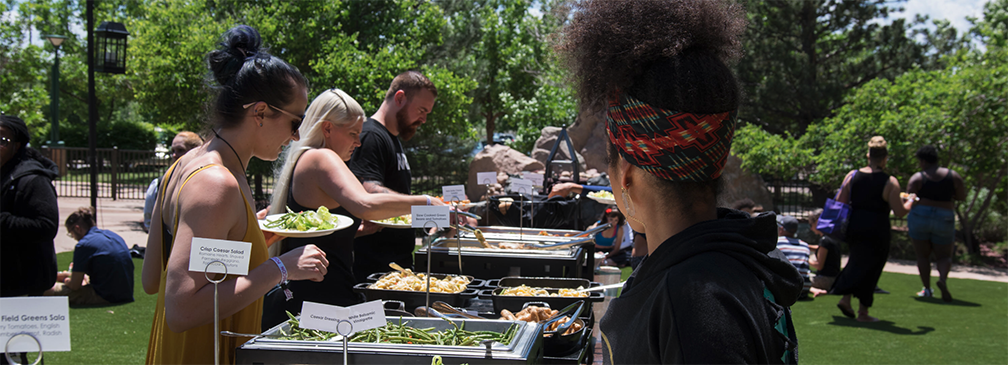
Basic Nutrition Considerations for Pole Dancers – Giving Advice as a Pole Coach
Nutrition plays a huge role in how people feel and how they can perform their daily activities, particularly when their daily activities involve something as dynamic as pole dancing.
Giving Nutrition Advice as a Pole Coach
First, as a coach or pole teacher, it is important to stay in your scope of practice. If you don’t have a nutrition certification or are otherwise qualified to share nutrition information, consider developing a network that does have such professionals so that you can refer out the students who ask for help.
Second, as a coach or pole teacher, don’t comment on someone’s nutrition unless asked and then be clear about your scope of practice and ability to help. You cannot look at a person and determine how successful they will be in pole or not. You also cannot look at someone’s eating choices and make the same determination. While some people who pole also have physique goals, not everyone does, and it is more beneficial to people’s mental health to share positive pole role models of all shapes and sizes and if known, all dietary considerations.
Some pole stars are vegan or vegetarian while others are voracious meat eaters. Some track their micro- and macro- nutrients carefully while others follow a more intuitive eating approach—including plenty of wine and chocolate. There is no one diet that will improve everyone’s pole dancing or general mobility. Like movement, most people benefit from an individualized approach to nutrition.
Periodically society swings between different body-type ideals. In the Renaissance, curvaceous women were celebrated, whereas in the 1990s, “heroin chic” was “in.” After a few decades returning to a more booty-centric ideal, we are seeing a switch back to extreme thinness as an ideal body type. In the context of movement, especially for coaches and teachers, it is important to focus on fueling for the task you are supporting. Just like people should come to a class or private session dressed appropriately, make food a key part of preparation for your students.
Generally, if your students ask you for help and you do not immediately have someone to refer out to for qualified nutrition advice, ask them if they feel like they are fueled appropriately for the work they are doing or do they feel weak and tired when they work out. Ask if they are hydrating well and regularly. Ask if they have other conditions that may impact their ability to pole and if so, recommend that they might need to talk to a medical professional.
For many people, their pole teacher or coach is the wellness/fitness professional they have the most contact with and so are most comfortable asking questions. Sharing your own experience—and making it very clear that your experience may not be theirs—can be a first step toward a student taking an active interest in further developing a healthy lifestyle that is appropriate for them.
Beware of saying things offhandedly. I had a student ask me once if bananas were “good for them.” She asked me during class, and I casually rattled off some banana facts that made them “healthy.” I thought nothing of the interaction until weeks later she came to me and explained that she’d been eating several bananas a day and wanted to know how many bananas was “enough” for her to be “healthy.” Obviously this an extreme (and actually true!) story of how a student can interpret a casual comment to become their entire meal plan so take heed about dispensing casual advice!

Colleen Jolly is an entrepreneur and a pole dance enthusiast. She has been poling for 15 years, is the CEO of PoleCon and the Executive Director of the IPIA. She teaches pole, lyra, floorwork, and mobility online and in-person in the DC metro area. She has been active in leadership roles in several international businesses over the past two decades and is also an award-winning pole dancer, artist, writer, and speaker. She is certified in several movement modalities and wrote the book "Mobility for Pole" to help pole dancers move better.
Latest posts by Colleen (see all)
- PoleCon: West 2026 Updates from the Survey - October 9, 2026
- What responsibility does the audience have? - October 2, 2026
- How to use the data from the Pole Industry Financial Survey - September 25, 2026
Related Posts