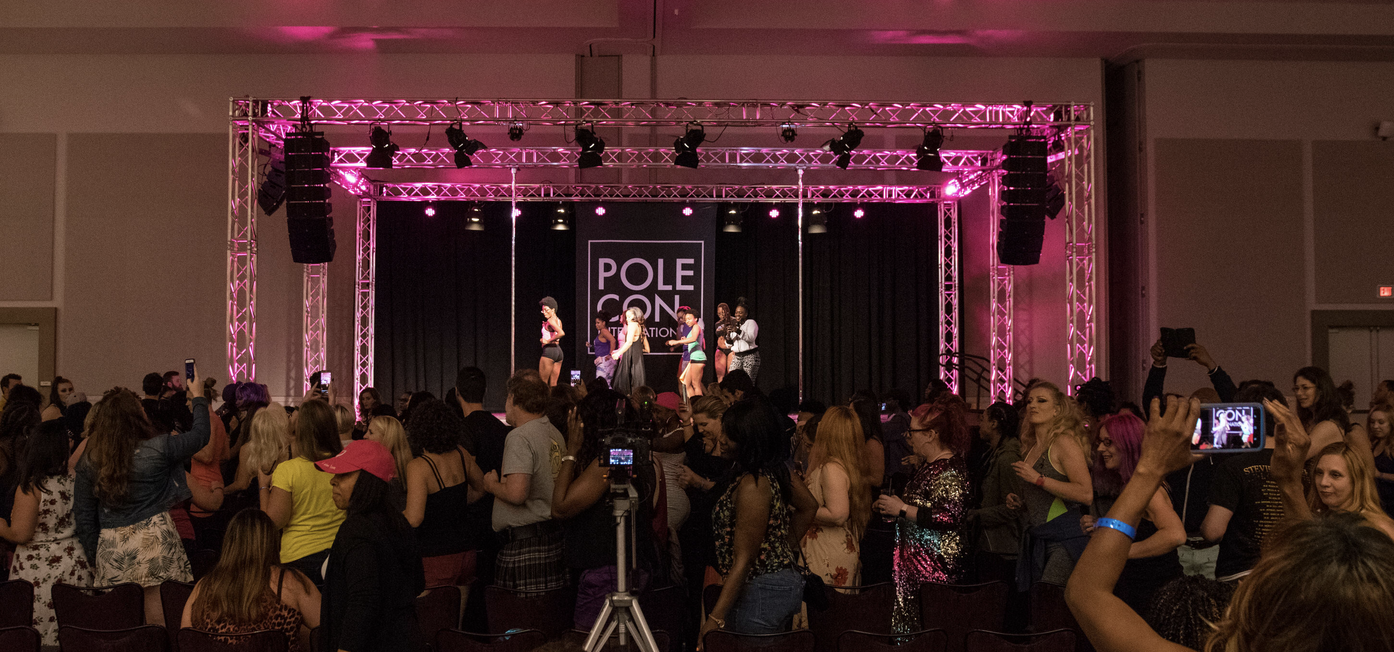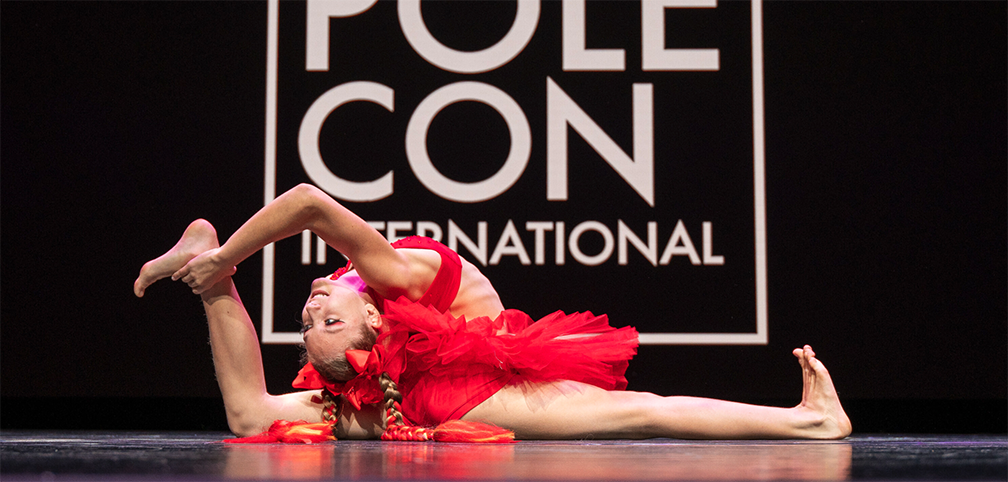
At shows and competitions, the performers, competitors, and producers all have clear expectations for roles…
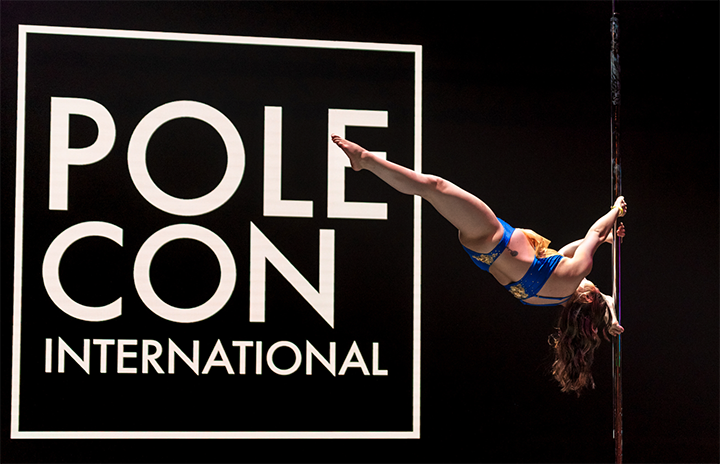
Overcoming Psychological Barriers and Fear of Heights in Adult Beginners in Pole Sport: A Methodological Guide for Coaches
In recent years, Pole Sport and aerial acrobatics have transitioned into highly popular recreational activities for adults with no prior athletic background. However, beginners face unique stressors, including fear of heights, fear of inversions (being upside down), and body image anxiety. Traditional, authoritarian coaching methods often exacerbate these fears, leading to high drop-out rates and increased injury risks. This article presents a comprehensive pedagogical methodology based on the author’s 12-year injury-free coaching experience. It outlines practical strategies for systematic desensitization, cognitive falling analysis, and the creation of a supportive, humanistic training environment.
I. Introduction
Over the past decade, Pole Sport has evolved from a niche subculture into a globally recognized athletic discipline, attracting millions of adult participants. Unlike traditional fitness, Pole Sport introduces unique physical and psychological stressors:
- The necessity of performing movements in altered spatial orientations (inversions, upside-down hangs).
- High demands on grip strength and skin-to-apparatus friction, which inevitably cause discomfort and hematomas (bruising) during the initial stages.
- Psychological discomfort stemming from negative body image (anxiety regarding weight, age, or lack of flexibility) and the fear of appearing clumsy or incompetent in front of a peer group.
Consequently, most adult beginners experience kinesiophobia (the fear of movement and pain) and acrophobia (fear of heights).
When coaches employ outdated, authoritarian methods—such as forcing students to overcome fear through sheer willpower—it results in high dropout rates within the first few months and raises the risk of acute physical trauma.
The purpose of this guide is to provide coaches with a structured, psychologically safe methodology for integrating adult beginners into Pole Sport, derived from the author’s 12 years of coaching practice without a single major training injury.
2. Methodological Principles for Overcoming Fear and Physical Limitations
2.1. The Principle of Consistency, Regularity, and Gradual Progression
A frequent complaint among adult beginners is the self-perception of being “too weak” (particularly in the upper body and core) or “not flexible enough.” Our methodology postulates that a student’s baseline physical fitness should never be a barrier to entry. Strength and flexibility are outcomes of the training process, not prerequisites.
The primary catalyst for progress is training consistency and the balance between load and recovery. An irregular training schedule (e.g., training once every two weeks or chaotic sessions followed by prolonged breaks) prevents the body from entering the supercompensation phase. Coaches must educate students that consistent, moderate training (2 times a week) is infinitely more effective than exhausting, sporadic sessions.
2.2. The Method of Systematic Desensitization (Nervous System Adaptation)
To overcome the fear of heights and inversions, we adapt the psychological concept of systematic desensitization to physical training:
- Deconstruction of Elements: Every complex or intimidating trick is broken down into micro-movements performed on the floor or at an ultra-low altitude.
- Sensory System Adaptation: The human nervous system naturally perceives being upside down as a life-threatening event. To soothe the vestibular system and reduce cortisol (stress hormone) levels, we utilize high-repetition low-impact drills. Repeating a simplified version of a movement 100 times builds a neural pathway of safety. By the 101st attempt, the student is psychologically prepared to progress to the full element without panic.
2.3. The Culture of Safe Falling vs. Punitive Pedagogy
Traditional athletic schools often penalize mistakes, either verbally or through physical punishment (e.g., extra conditioning). In recreational adult coaching, this approach is highly destructive.
Instead, we implement a cognitive analysis of dismounts and falls:
- Falling Techniques First: During the very first sessions, students are taught proper safety trajectories and how to slide or exit the pole safely.
- Causal Analysis: If a student slips or fails an element, the coach does not reprimand them. Instead, they conduct a collaborative biomechanical review (“Why did this happen? Where did the grip loosen? Which muscle group failed to engage?”).
- Algorithmic Correction: Shifting the focus from emotion (“I fell, I am a failure”) to cognitive analysis (“I understand the error, next time I will engage my adductors”) effectively dismantles the psychological block.
3. Psychological Climate and Burnout Prevention
3.1. The Humanistic Approach vs. The Authoritarian (“Soviet-Style”) Model
Traditional sports pedagogy has long been dominated by an authoritarian model (“no pain, no gain,” “results at any cost”). This paradigm relies heavily on harsh criticism, emotional suppression, and ignoring physical pain. For adult recreational athletes, this model is counterproductive, triggering immediate drop-out and reinforcing deep-seated insecurities.
Our methodology is grounded in humanistic pedagogy and positive reinforcement:
- Destigmatization of Mistakes: Mistakes are normalized as essential data-gathering points in the learning cycle.
- Praise-to-Correction Balance: Coaches must actively praise effort and minor milestones (e.g., a solid static hold or a clean spin transition). Celebrating these “first steps” triggers dopamine release, which is essential for sustained motivation.
- An Emotionally Safe Environment: Any form of body-shaming, age-shaming, or comparing students to one another is strictly prohibited. The studio must function as a supportive community, not a hyper-competitive arena.
3.2. Somatic Awareness and Injury Prevention
The cornerstone of the author’s 12-year injury-free track record is developing somatic awareness (the ability to listen to and interpret bodily signals) in students.
In recreational sports, longevity and health must take precedence over rapid progression. Coaches must teach students to differentiate between two types of physical sensations:
- Adaptive/Conditioning Discomfort: Skin friction, bruising, and delayed onset muscle soreness (DOMS)—all of which are normal physiological responses to pole training.
- Injury-Signal Pain: Sharp joint pain, ligament strain, or severe central nervous system fatigue—which require immediate cessation of the exercise.
The “Step Back” Method: If a student experiences intense mental resistance or physical fatigue during a session, the coach should not force them through it. It is far more productive to take a step back—returning to an easier modification or ending the session early to focus on mobility. Experience shows that after proper recovery, the student successfully master the element in the very next session.
4. Conclusion and Recommendations for Coaches
Integrating adult beginners into Pole Sport requires coaches to possess high emotional intelligence alongside technical expertise. We propose the following recommendations for the global coaching community:
- Dismantle Entry Barriers: Do not expect beginners to be strong or flexible. Design the curriculum so that these qualities are developed progressively on the pole.
- Pace the Nervous System: Mitigate the fear of heights through micro-progressions and the “100-repetition rule” at safe, low heights.
- Teach Falling as a Skill: Replace fear of falling with the cognitive safety protocols. Treat slips as biomechanical puzzles to solve, not failures.
- Foster Community Over Competition: Shift from an authoritarian coaching style to a supportive, humanistic model. For adult clients, the studio should be a place of empowerment and stress relief, not additional trauma.
Based in Russia, Zhanna Abdulsada is an elite pole athlete, choreographer, and sports pedagogue with a degree from the Moscow International Academy. With 12 years in the pole community, she is an active coach, European Dance Champion, and multi-time winner and medalist in Pole Sports (IPSF/POSA). Zhanna trains the next generation of champions, coaching kids from age 6 to multiple national titles in Russia. As a professional stage artist, she has performed at the Leningrad Center, Aleksandrinsky Theatre, and others. Striving for constant development, she regularly trains in biomechanics, fitness, and dance to unlock her students’ power and grace.
Latest posts by Zhanna Abdulsada (see all)
Related Posts