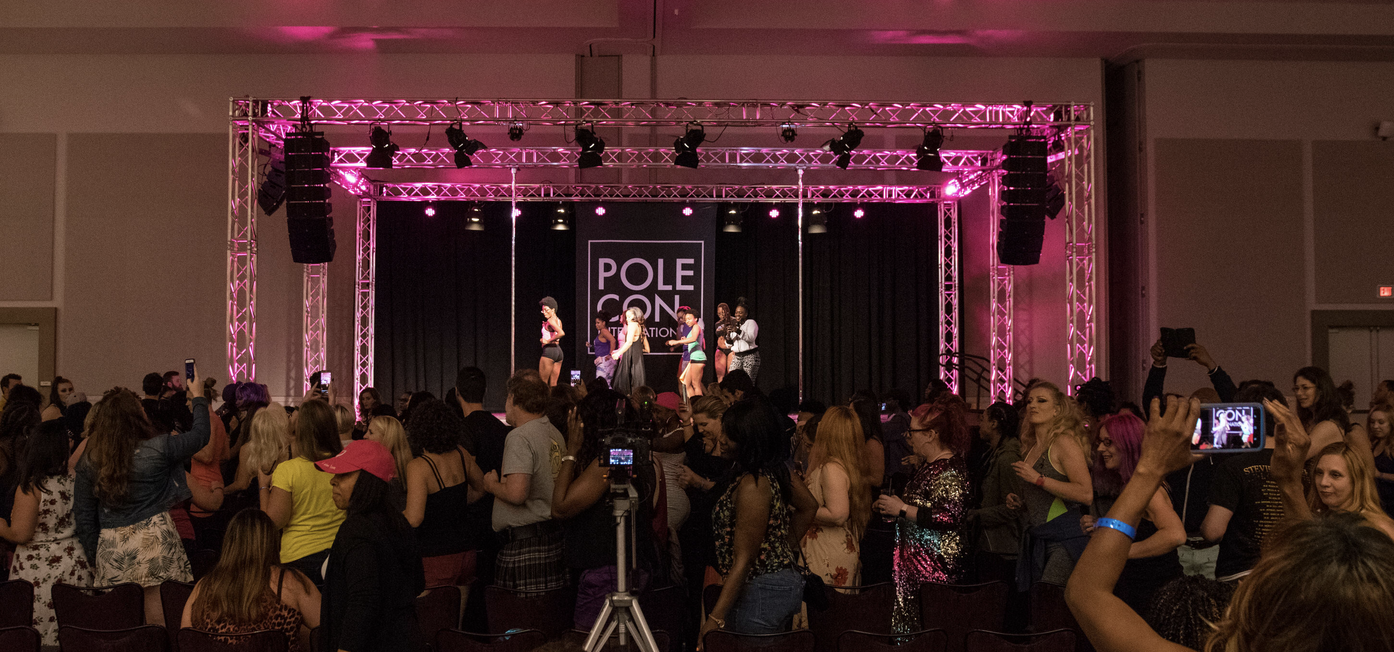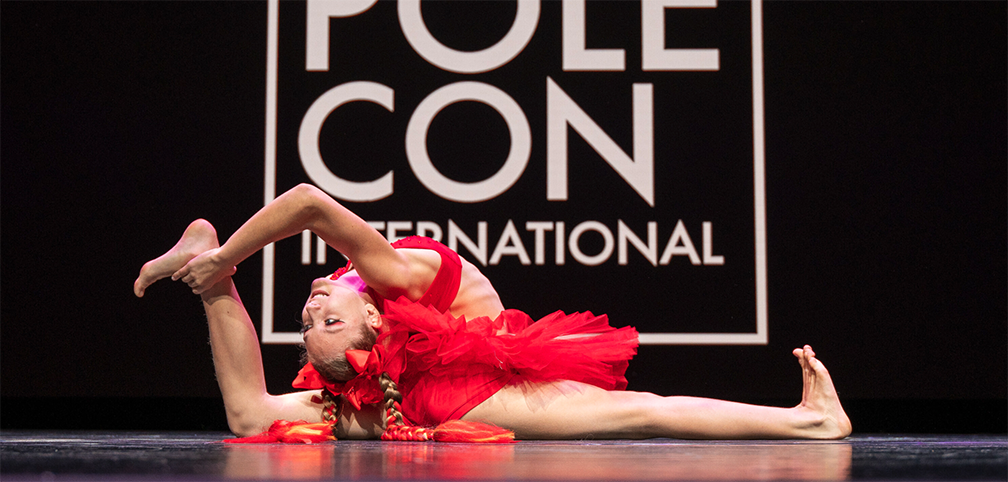
At shows and competitions, the performers, competitors, and producers all have clear expectations for roles…

The Art of saying “No”: Recognizing mental health triggers and unsafe environments.
Why do we always want to cry or have a complete meltdown at the most inconvenient times? Why is it that the more we try to hold it in or push through quickly, the worse it gets? It’s like when you feel a cough in the back of your throat in a quiet place, so you try to stifle it, which makes you need to cough for the next 30minutes, and now everyone thinks you have the plague. It always seems I can never have a proper panic or anxiety in the comfort of my home, but always on the Brooklyn-bound L train during peak commute times, or in this instance, an alleyway in the Midwest just outside of a venue of a show I am supposed to be performing at in 24 hours. In my defense, it really was only going to be five minutes to get my head straight, shush the demons, take a breath, and try to get back in there and fit in and be helpful. That’s the thing about mental health: it does whatever it wants when it wants, and we can only repress it for so long before it rears up meaner, louder, and more powerful than ever before. So here I was, thousands of miles from home, in a place I didn’t know, among people I didn’t know, on the phone with family as they tried to talk me down for what would end up being the next 3 hours.
Now here’s the part I can’t say I’m proud of. In the end, I entirely bailed. That’s right, 24 hours before I was supposed to be on stage, amid a volunteer shift I had committed to, I switched my flight to the first thing in the morning, dropped out of the show, and all responsibilities, and was back home by 2 pm the next day. I want to emphasize that this is not how one should behave. A lot of hard work and an extended amount of time, involving several people, go into putting on an event, whether it’s a huge expo or a studio showcase, so dropping out at the last minute can be an absolute bomb for everyone else. If you find that you cannot perform the responsibilities you signed up for, you should always try to give proper notice in advance. This must be understood before I can proceed further with this subject. This article’s purpose is not to encourage rude or irresponsible behavior or support flaking. I have always been vulnerable and honest with my readers, so it felt right to share a shameful moment of my own before delving in. It just goes to show that we are all human; no one is perfect. You can have the best intentions, but sometimes fall short of your goals. We’re all just out here doing our best.
That said, “No” is a complete sentence and can be one of the most important things someone can do for their mental and physical health. Women and marginalized communities, especially, have been raised to “Not be difficult” and often suffer or settle for less than they deserve just to be polite. We don’t want to be a “bitch, or an “angry black woman/man”, or a “snowflake”. In a pole, it’s easy to say, “that’s show biz”, and deal with it; however, sometimes, it’s acceptable to call it curtains.
Physically unsafe environment.
Most show organizers have established protocols and regulations to ensure a safe environment for both performers and crew. Pole cleaners to wipe the poles of anything slippery or distracting between performers. Securely set up poles on a truss, platform, or tension system. Often, it will even go as far as to have medical professionals present and/or require staff to have CPR certifications. We want to think that anytime we step out of the dressing room, we are cared for, and outside our own mishaps, in good hands. Sometimes that is not always the case. If you are at a show and the pole seems insecure or wobbly, do not attempt it anyway to avoid being difficult or making a scene.
“Just going with it” could result in a faulty pole tipping over while you’re on it and causing serious injuries. If you arrive at an event and the equipment or setup doesn’t seem safe, it’s perfectly okay to point it out to the people in charge or ask questions. If the situation isn’t corrected to what you feel secure, say no. It’s not worth it, and you are not irresponsible for not wanting to risk falling off a stage or off a pole, or through a floor. This can also be said for the audience. Most audience members at pole events are part of the community or friends and family. They are nothing but warm, supportive, and excited to be entertained. It is the venue and producer’s responsibility to ensure that everyone acts respectfully. If they fail to do so and you don’t feel safe around, say, a drunk group of men harassing you with no consequence, get out of there. Trust your instincts always. Do not let anyone pressure you into doing anything you are not comfortable with or make you feel bad for sticking to your guns. This can also go for classes. If there is dripping water on the floor that’s slick and dangerous, or the staff isn’t spotting correctly, or the poles are questionable, don’t continue. Remove yourself and consider reaching out to management about your concerns. Most studio owners want to know if their staff is not performing safe practices or maintaining the studio.
Mentally Unsafe Environment
This one may not feel as obvious and may require some introspection. Being nervous about making a mistake or stage fright is normal and doesn’t mean you aren’t safe. In those cases, sometimes it’s better to push through the negative self-talk, nerves, and imposter syndrome to experience the high on the other side. Most competitors, especially new ones, want to bail at some point as they watch the pole cleaners prepare their poles and their name is announced. Even as I type this, I can feel a twist in my stomach thinking about it. That said, when we push through with that, even if things don’t go perfectly (spoiler alert: Nothing is perfect in live performances!) Additionally, if you are more introverted, even walking into a new studio or class where the majority are familiar with the instructor’s style and all know each other can be very intimidating and challenging to push through. However, it has been my experience that the pole community is always rooting for you. “Mean Girls” exist everywhere, but instructors want you to learn; it’s literally their job, and students will either be supportive or mind their business. Either way, being shy is a challenge, but not unsafe.
Mentally unsafe may not always be the fault of others, but our trauma projected from unseen triggers. It’s essential to check in with yourself when you experience specific reactions to determine the real source. A prime example is that I once performed at a venue I’d never been to, surrounded by people I didn’t know, at an event I’d never attended before. This already put me in a very vulnerable position, but I have always been able to make friends easily in the pole world and was ready to network and make new friends in a new place. That said, as soon as I arrived to help volunteer on the first day, the event organizer was out sick and not there, so everyone else working it was running around in a tizzy trying to get things organized without their fearless leader. Now I don’t know who anyone is; I don’t know who the second-in-command is or who would have the answers. It didn’t seem like the majority did either. It was a tight-knit studio where everyone knew each other, so everyone else could figure it out and jump in, or at least be comfortable. I tried to ask around for recommendations on where to go, but received no answers. I tried to be friendly and participate in conversations, but I was met with cold shoulders. It didn’t take long for the anxiety and tears to start building up inside me, and I went outside and went into a full panic attack, hyperventilating, the works. This went on for three hours. I couldn’t even get an Uber home or take a train, as I had flown here, so I felt trapped and alone. After texting with my family and coach, I decided this was not worth it and booked a flight for the next morning, bowing out of the performance.
Was this the studio’s fault? Not really. Show nights are always going to be a bit chaotic, even with the best-laid plans and experience. Was it the less-than-friendly people? Not really, I’m sure they were already overwhelmed, and then they were given a curveball: a random out-of-towner they didn’t know, asking where she should go or what she should do. I can’t promise I’d been Susie Sunshine myself; we’re all human, doing our best. Was it the show producer’s fault because they weren’t there? No, there is no way in hell they would have called out of their own production unless they were literally on their deathbed, and from what I gathered, she basically was. No, this wasn’t anyone’s fault but my own trauma rearing its ugly head at the most inconvenient time. The last time I’d even been in this part of the country was 25 years ago, when I was a group home kid dealing with my family kicking me out, sexual assault, and abandonment. I have also dealt with bullying from kids and family alike. Additionally, this was my first time leaving my new cat home alone. The last time I flew and left a cat behind in August, they died. So, it was truly a perfect storm. Being alone and feeling unwelcome triggered all that trauma again, and just like that, I was the lonely 14-year-old who had a rock thrown at her and her parents telling her she was a “strain on the marriage”. I am in therapy, but we’re talking 40 years of life here; it’s not a quick fix. In the end, I decided it wasn’t safe or worth it for me to carry on and try to perform. Pole is so mental, and the last thing I wanted to do was make a dangerous mistake because my mind wasn’t in it. I could also feel myself dragging down the mood, and I didn’t want to ruin the vibe for an event that people had worked so hard on. So, I left. Again, I am not encouraging flaking last-minute on anything you’ve committed to, but if it’s really bringing up trauma and intense reactions like panic attacks, anxiety attacks, grief, or severe depression. It’s not worth it. That said, if you are feeling bullied, always follow up with management to address any issues; they always want to know so they can potentially fix the problem. No studio owner or event producer wants their students or performers to feel unsafe or unwelcome.
Remember, in the end, this is supposed to be fun.
Most pole dancers do not pursue this profession full-time as a primary source of income. This isn’t a matter of life and death, nor is it government-mandated. (If anything, this government probably would ban it if it could.) Remember why you got into pole to begin with. Yes, it has its challenging days for sure, but if you are not having fun, what’s the point? Life is too tense right now, and forever too short to force yourself to be in any situation that doesn’t serve you. Now drink some water and make yourself proud!

Colleen Jolly is an entrepreneur and a pole dance enthusiast. She has been poling for 15 years, is the CEO of PoleCon and the Executive Director of the IPIA. She teaches pole, lyra, floorwork, and mobility online and in-person in the DC metro area. She has been active in leadership roles in several international businesses over the past two decades and is also an award-winning pole dancer, artist, writer, and speaker. She is certified in several movement modalities and wrote the book "Mobility for Pole" to help pole dancers move better.
Latest posts by Colleen (see all)
- Updates to PoleCon 2027 - October 12, 2026
- PoleCon: West 2026 Updates from the Survey - October 9, 2026
- What responsibility does the audience have? - October 2, 2026
Related Posts